Introduction
In the diverse world of global cuisine, Moroccan food holds a unique place, renowned for its bold flavours, fragrant spices, and vibrant colours. One dish that perfectly encapsulates this culinary richness is Moroccan Chickpea Stew. Hearty, comforting, and deeply satisfying, this stew is a beautiful fusion of taste and nourishment. Rooted in centuries-old traditions, it is both a celebration of culture and a reflection of Morocco’s historical embrace of spice trade influences.
Moroccan Chickpea Stew is a vegetarian or vegan-friendly dish (depending on broth choice) that delivers an explosion of flavors through the careful use of spices like cumin, cinnamon, turmeric, and paprika. Whether you’re a seasoned foodie or someone seeking healthier, plant-based meals, this stew is sure to become a staple in your kitchen.
Origins and Cultural Significance
Moroccan cuisine is a melting pot of Berber, Arab, Andalusian, and Mediterranean influences. The country’s location at the crossroads of Europe and Africa has enabled it to absorb culinary traditions from across continents, while still preserving its distinctive identity.
Stews, known as tagines in the Moroccan culinary lexicon, are a fundamental part of the national diet. Though traditionally cooked in a conical clay pot called a tagine, variations like Moroccan Chickpea Stew have become popular across the world due to their ease of preparation and adaptability.
Chickpeas (or garbanzo beans) have long been a staple legume in North African cooking. Affordable, filling, and rich in protein, they feature prominently in everything from couscous dishes to street snacks. When simmered with tomatoes, root vegetables, and a medley of spices, chickpeas transform into a rich, aromatic stew that speaks to the soul.
Key Ingredients and Their Roles
What makes Moroccan Chickpea Stew special is its balance of sweet, savory, spicy, and earthy flavors. Here’s a breakdown of the key ingredients:
- Chickpeas: The protein powerhouse. Canned chickpeas offer convenience, while dried chickpeas provide a firmer texture if soaked overnight and cooked.
- Tomatoes: Crushed or diced, they form the base of the stew, lending acidity and richness.
- Onions and Garlic: Essential aromatics that build the flavor foundation.
- Carrots and Potatoes: These vegetables add body and natural sweetness.
- Spices: Cumin, paprika, turmeric, cinnamon, ginger, and sometimes a touch of cayenne or chili flakes. This spice blend is what gives the stew its depth.
- Cilantro and Parsley: Fresh herbs brighten the dish and add a touch of green.
- Lemon Juice: A dash at the end sharpens all the flavors and enhances the overall aroma.
- Vegetable Broth: A flavorful liquid base that ties everything together.
Some variations also include zucchini, sweet potatoes, dried apricots or raisins for added sweetness and texture. These additions reflect Morocco’s love of combining sweet and savory in a harmonious balance.
Step-by-Step Preparation
Here’s a classic version of Moroccan Chickpea Stew, perfect for weeknight dinners or meal prep.
Ingredients:
- 2 tablespoons olive oil
- 1 medium onion, chopped
- 3 garlic cloves, minced
- 2 teaspoons ground cumin
- 1 teaspoon ground cinnamon
- 1 teaspoon paprika
- 1 teaspoon turmeric
- 1/2 teaspoon ground ginger
- 1/4 teaspoon cayenne pepper (optional)
- 2 medium carrots, sliced
- 2 medium potatoes, diced
- 1 can (14 oz) diced tomatoes
- 1 can (14 oz) chickpeas, drained and rinsed
- 3 cups vegetable broth
- Salt and black pepper to taste
- Juice of 1/2 lemon
- Fresh cilantro or parsley for garnish
Instructions:
- Sauté the Aromatics: In a large pot, heat olive oil over medium heat. Add onions and cook until softened about 5 minutes. Stir in garlic and cook for 1 more minute.
- Add Spices: Add cumin, cinnamon, paprika, turmeric, ginger, and cayenne pepper. Stir constantly for 30 seconds to bloom the spices.
- Add Vegetables: Toss in the carrots and potatoes, stirring well to coat them in the spice mixture.
- Add Tomatoes and Chickpeas: Stir in the diced tomatoes and chickpeas. Mix thoroughly.
- Simmer: Pour in the vegetable broth. Bring the stew to a boil, then reduce the heat to low and simmer for 25–30 minutes, or until the vegetables are tender.
- Season and Finish: Add salt and pepper to taste. Squeeze in lemon juice to brighten the flavors.
- Serve: Ladle into bowls and garnish with fresh cilantro or parsley. Serve with warm crusty bread, couscous, or over a bed of rice.
Nutritional Benefits
Moroccan Chickpea Stew isn’t just delicious—it’s also incredibly nutritious. Here’s why:
- Protein and Fiber: Chickpeas are rich in plant-based protein and dietary fiber, which support digestive health and keep you feeling full longer.
- Low in Saturated Fat: The use of olive oil and a vegetable base makes this stew heart-healthy.
- Rich in Antioxidants: Spices like turmeric, cinnamon, and paprika are known for their anti-inflammatory and antioxidant properties.
- Vitamin-Packed: With carrots, tomatoes, and potatoes, this stew is loaded with vitamins A and C, potassium, and other essential nutrients.
This dish is also easily adaptable for gluten-free, vegan, and vegetarian diets, making it a perfect fit for modern dietary preferences.
Tips for Customization
What makes Moroccan Chickpea Stew even more appealing is its versatility. Here are a few ways to personalize your version:
- Add Greens: Stir in chopped kale or spinach during the last few minutes of cooking for a nutrient boost.
- Sweeten It Up: Add chopped dried apricots, raisins, or a touch of honey for a hint of Moroccan-style sweetness.
- Spice It Up: For more heat, increase cayenne pepper or add harissa paste.
- Change the Protein: For non-vegetarians, shredded chicken or lamb can be added.
- Make It Creamy: Add a swirl of coconut milk for a richer texture and flavor.
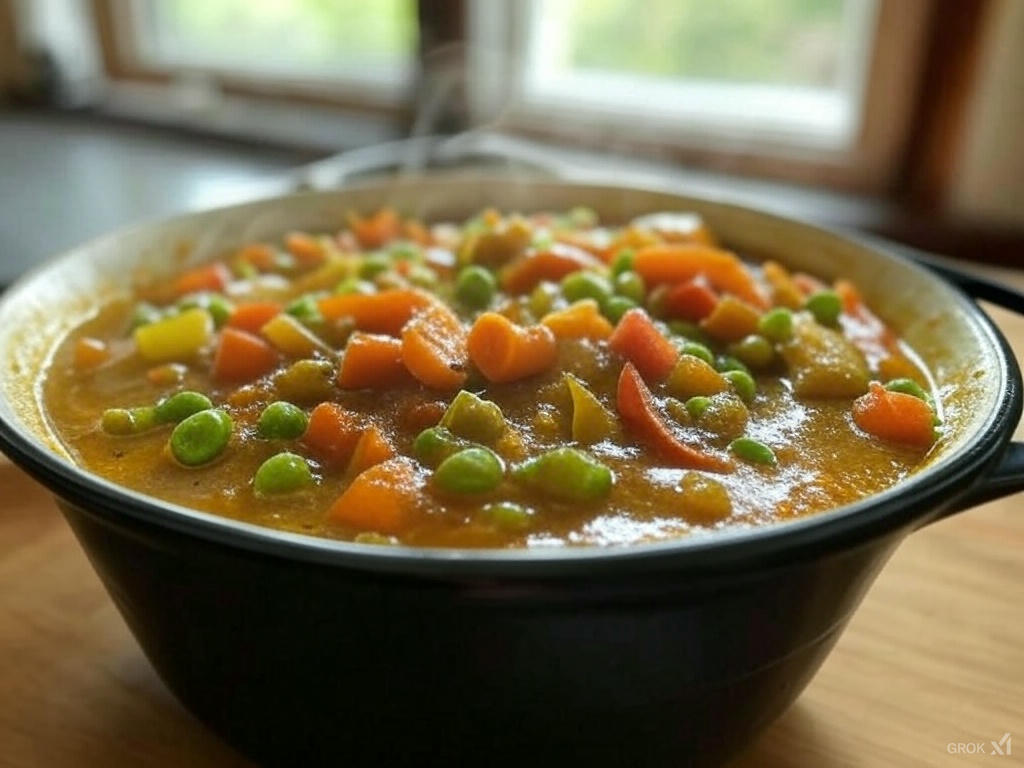
Serving Suggestions
Moroccan Chickpea Stew is a meal in itself, but you can elevate the experience with some thoughtful pairings:
- Couscous or Quinoa: Serve over a fluffy grain for extra substance.
- Flatbread or Pita: Perfect for scooping up the stew and soaking up the flavorful broth.
- Yogurt or Labneh: A dollop of plain yogurt or labneh on top can provide a creamy, cooling contrast to the stew’s spices.